Pressure in the engineering sector rarely comes from a lack of demand. More often, it comes from the growing expectation that projects must be delivered faster, cost less, and still meet increasingly complex technical requirements. Companies operating across infrastructure, construction, and industrial development face a difficult balancing act between efficiency and reliability, especially when mistakes can carry significant financial and operational consequences.
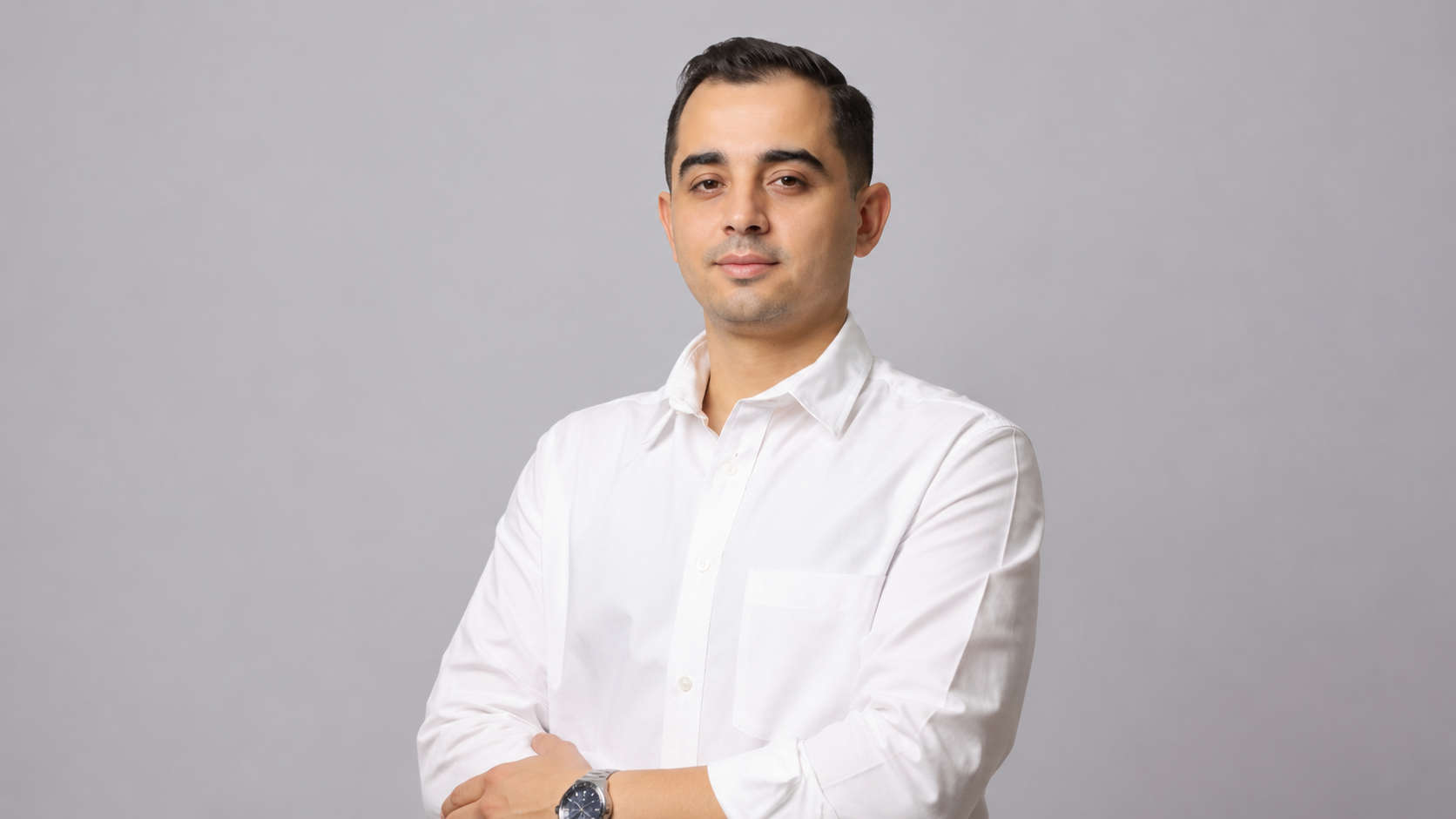
That environment created an opportunity that Jon Ramovi recognized early through METRICAL Engineering. Rather than viewing engineering as a process driven primarily by timelines and budgets, he focused on the long-term consequences of technical decisions. The company’s approach emerged from a belief that precision and planning often determine project success long before construction or implementation begins. In a market where shortcuts can become expensive liabilities, that perspective offered a different way forward.
The result is a business built around solving problems that many clients encounter but few discuss openly. Delays, design conflicts, communication breakdowns, and inefficient project coordination often create more risk than the engineering work itself. By concentrating on those realities, METRICAL Engineering developed a position that extends beyond technical execution into strategic project support.
The Problem METRICAL Engineering Was Really Solving
Engineering firms are frequently hired to provide technical expertise, but clients often face broader challenges than technical calculations alone can address. Large projects involve multiple stakeholders, evolving requirements, regulatory obligations, and budget pressures that can create friction throughout the project lifecycle. When communication between these elements breaks down, costs tend to rise while timelines become increasingly uncertain.
METRICAL Engineering recognized that many project failures originate long before physical work begins. Incomplete planning, unclear specifications, and insufficient coordination frequently create problems that surface months later during construction or implementation. Clients may initially focus on visible project milestones, while underlying risks continue to accumulate unnoticed. This disconnect creates inefficiencies that are expensive and difficult to correct.
The company positioned itself around reducing those risks through greater technical clarity and stronger project alignment. Rather than treating engineering as an isolated function, the approach emphasized collaboration between technical requirements and business objectives. By addressing project complexity at its source, METRICAL Engineering aimed to improve outcomes before challenges became costly realities.
Why Jon Ramovi Saw the Industry Differently
For Jon Ramovi, engineering has never been solely about technical competence. Technical knowledge remains essential, but the larger challenge often involves understanding how engineering decisions influence broader business outcomes. That perspective encourages a more holistic view of project development, where long-term performance matters as much as immediate delivery.
Many firms compete by emphasizing speed or scale. Ramovi appeared more interested in reducing uncertainty. While clients naturally want projects completed efficiently, they also need confidence that solutions will remain effective years after implementation. This focus on durability rather than short-term convenience helped shape METRICAL Engineering’s approach to both client relationships and project management.
His perspective also reflects an understanding that complexity is increasing across modern engineering environments. Regulatory standards, sustainability requirements, technological integration, and stakeholder expectations continue to evolve. Rather than treating those changes as obstacles, Ramovi viewed them as factors that demanded deeper planning and stronger coordination from the beginning.
What Made Jon Ramovi Different From Competitors
The engineering sector is filled with technically capable organizations. What often separates firms is not the ability to perform calculations or develop designs, but the ability to manage uncertainty throughout a project’s lifecycle. Jon Ramovi built METRICAL Engineering around the idea that trust is established through consistency, transparency, and careful execution rather than bold promises.
Clients frequently encounter engineering partners who focus heavily on deliverables while paying less attention to communication. That can create situations where technically sound work becomes difficult to implement because stakeholders remain misaligned. METRICAL Engineering sought to address that challenge by emphasizing clarity throughout project development. The result was a model that treated communication as an engineering tool rather than an administrative task.
The company’s positioning also reflected patience. Instead of chasing every available opportunity, the focus appeared centered on building credibility through successful outcomes and repeat relationships. That approach may require more discipline, but it often produces stronger long-term stability in industries where reputation carries significant weight.
The Decision That Changed METRICAL Engineering
Every company eventually reaches a point where growth requires a deliberate choice about its identity. For METRICAL Engineering, one of the defining decisions was committing to a deeper role in project planning rather than limiting involvement to technical execution. The shift expanded the company’s responsibilities while increasing its influence over project outcomes.
The decision introduced meaningful risk. Taking a more strategic position within projects creates greater accountability because success depends on factors extending beyond engineering design alone. It also requires stronger client collaboration and a deeper understanding of operational objectives. However, the move enabled the company to contribute earlier in the decision-making process, where many critical outcomes are ultimately determined.
More importantly, the choice revealed how the company viewed its purpose. Rather than serving exclusively as a technical consultant, METRICAL Engineering positioned itself as a problem-solving partner. That distinction strengthened its ability to deliver value while differentiating it from firms focused solely on project execution.
Turning Mission Into Operations
A commitment to precision requires operational discipline. For METRICAL Engineering, that meant developing systems capable of maintaining consistency across projects while adapting to varying client requirements. Effective engineering depends not only on expertise but also on processes that ensure quality remains reliable under pressure.
Project coordination became a critical operational priority. Engineering work often intersects with contractors, suppliers, regulators, and project owners, creating multiple points where misunderstandings can emerge. Establishing clear communication channels and structured review processes helps reduce those risks. These operational decisions may appear routine, but they often determine whether projects remain on track.
The company also faced the challenge of balancing technical excellence with commercial realities. Clients need solutions that are practical as well as technically sound. By integrating engineering considerations with budgetary and operational constraints, METRICAL Engineering worked to create outcomes that could be implemented effectively rather than remaining theoretical recommendations.
The Difficult Reality of Scaling
Growth introduces challenges that cannot always be solved through technical expertise alone. As METRICAL Engineering expanded, maintaining quality across a larger portfolio of projects likely required significant attention to hiring, training, and organizational structure. What works for a smaller team often becomes more difficult to sustain as operations become more complex.
Competition creates additional pressure. Engineering firms increasingly compete not only on technical capability but also on pricing, responsiveness, and project delivery expectations. Balancing these demands without compromising quality requires difficult decisions regarding resource allocation and strategic priorities. Companies that grow too quickly can find themselves struggling to maintain the standards that initially drove success.
Leadership pressure grows alongside organizational scale. Founders must navigate uncertainty while making decisions that affect employees, clients, and long-term business performance. Not every initiative produces the intended outcome, and adaptation becomes a necessary part of sustainable growth. The ability to learn from operational challenges often proves as important as engineering expertise itself.
What Jon Ramovi’s Story Actually Reveals
The experience of Jon Ramovi reflects a broader lesson about modern business leadership. Markets often reward speed and visibility, yet lasting success frequently depends on consistency, trust, and disciplined execution. Engineering simply makes those realities more visible because the consequences of poor decisions are difficult to hide.
The broader significance of the Jon Ramovi METRICAL Engineering story lies in its focus on reducing uncertainty rather than chasing attention. Organizations operating in complex environments increasingly need partners who can connect technical knowledge with practical business outcomes. As industries continue to evolve, the companies most likely to endure may be those that understand precision is not merely a technical standard but a strategic advantage.